Why I Don’t Promote Kava as a Recovery Coach (And What You Should Know Before Trying It)
Apr 22, 2026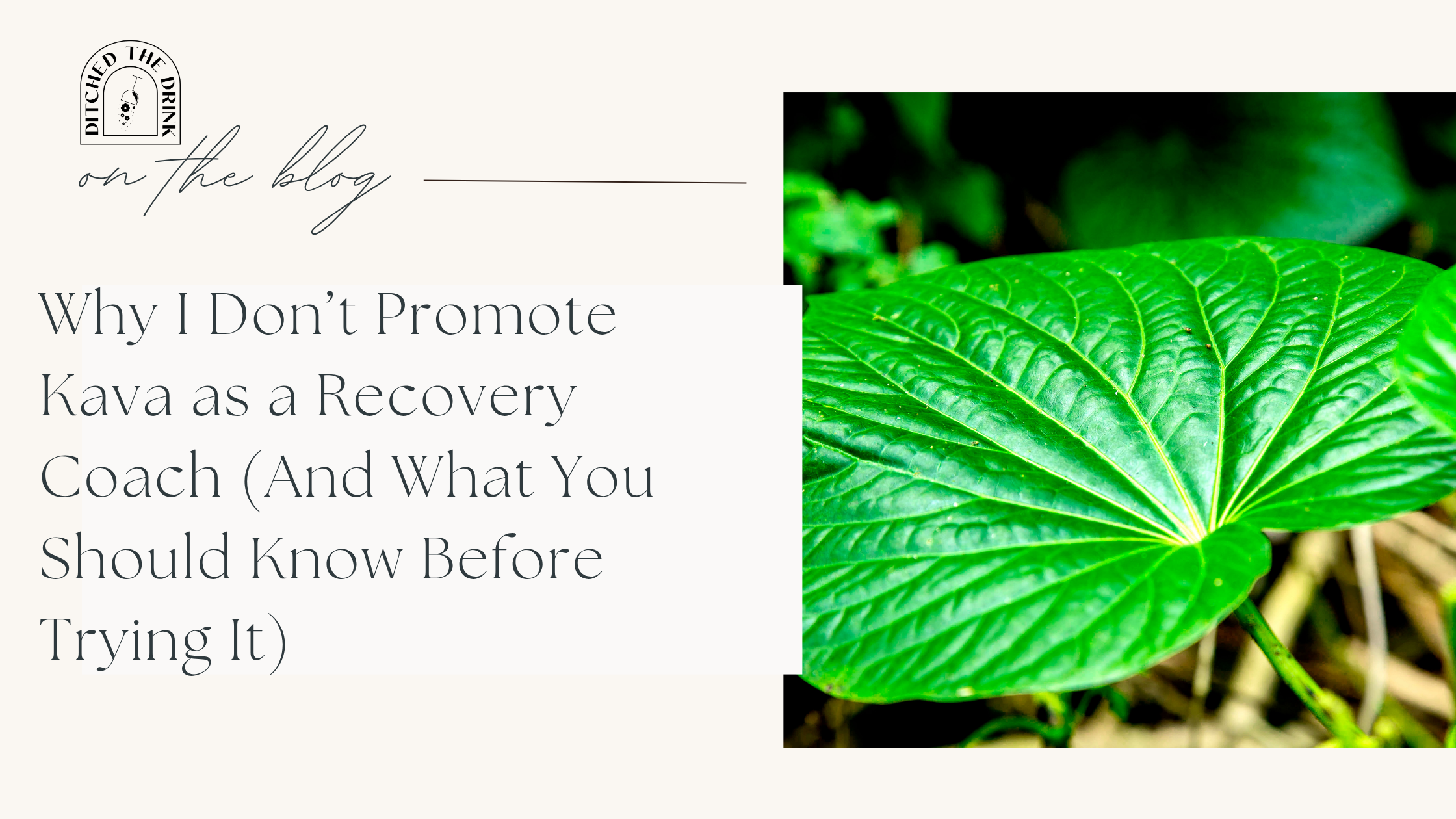
“Why don’t you promote kava?”
This is a question I get often—especially as kava becomes more popular in sober-curious and alcohol-free communities.
What many people don’t realize is that kava companies actively seek brand ambassadors and offer significant financial incentives to promote their products.
I’ve personally received multiple lucrative sponsorship offers.
And every single time, I’ve turned them down.
Not because I judge people who use kava.
Not because I think people can’t make their own choices.
But because as a Certified Professional Recovery Coach, I believe people deserve honest information—especially when something is being marketed as harmless when it deserves caution.
What Is Kava? (And Why It Matters in Recovery)
Kava is a psychoactive substance derived from the root of the Piper methysticum plant. It contains active compounds called kavalactones, which act on the brain and central nervous system.
These compounds affect neurotransmitters such as:
- GABA, which promotes relaxation
- Dopamine, which influences reward and mood
Because of this, kava can produce the following:
- Relaxation
- Sedation
- Mild euphoria
- A “buzz” or calm feeling
Although kava is sold legally in the United States as a dietary supplement, it functions as a central nervous system depressant.
Is Kava Safe in Recovery?
One of the most common questions people ask is
“Is kava safe if I’m sober or trying to quit drinking?”
The honest answer is it depends—but caution is strongly advised.
Many addiction and recovery professionals express concern about kava use because it can
- Reinforce substance-based coping
- Become habit-forming
- Trigger cravings in some individuals
- Delay emotional healing
While kava may not be considered highly addictive in the same way as opioids or benzodiazepines, regular use can lead to psychological dependence.
That risk deserves attention.
Can Kava Become Habit-Forming?
Yes—especially when used regularly to cope with stress, anxiety, or emotional discomfort.
Some long-term or heavy users report:
- Relying on kava to relax
- Difficulty sleeping without it
- Irritability when stopping
- Anxiety during withdrawal
This pattern is particularly concerning for people in early recovery or those working to reduce alcohol consumption.
Replacing one substance with another may feel helpful in the short term but can quietly maintain dependence patterns.
Why Kava Marketing Concerns Me
My biggest concern isn’t that kava exists.
It’s how often it’s marketed as harmless or completely safe, especially in sober spaces.
You may see it promoted as:
- A natural alcohol alternative
- A healthy relaxation tool
- A safer social drink
- A solution for stress relief
But “natural” does not mean risk-free.
Many plant-based substances still affect brain chemistry and physical health.
And people deserve full transparency—not just marketing messages.
Health Risks Associated With Kava
Long-term or heavy kava use has been associated with several health concerns, including:
Liver Toxicity
Kava has been linked to liver damage, including rare cases of liver failure.
Skin Changes
Chronic use may lead to dry, scaly skin conditions sometimes called kava dermopathy.
Dangerous Drug Interactions
Kava should never be mixed with alcohol or sedative medications such as benzodiazepines due to increased risk of sedation and liver injury.
Sedation and Cognitive Effects
As a central nervous system depressant, kava can impair coordination and reaction time.
These risks are not meant to create fear but awareness.
Can Kava Trigger Relapse?
Not always chemically—but sometimes behaviorally.
For many people in recovery, the risk isn’t just the substance itself—it’s the pattern of using something to numb discomfort or “take the edge off.”
This behavior can:
- Reinforce old coping habits
- Trigger cravings
- Delay emotional growth
- Make long-term recovery harder
This is why many recovery professionals encourage caution.
Why I Turn Down Kava Sponsorships
I want to be transparent:
I have been offered significant financial incentives to promote kava products.
It would be easy income.
But I turn those offers down because my responsibility to clients outweighs profit.
If I promote something, it must support:
- Long-term healing
- Sustainable recovery
- Substance-free coping skills
- Emotional resilience
Promoting kava does not align with those values.
If You Choose to Use Kava, Please Be Informed
This is not about judgment.
People deserve autonomy and informed choice.
If you are considering kava, I encourage you to ask the following:
- Am I using this to cope or numb emotions?
- Am I replacing one substance with another?
- Am I aware of the potential risks?
- Would I feel comfortable if my use increased over time?
These questions support safer decision-making.
What I Recommend Instead of Kava
In my recovery coaching practice, I focus on tools that build resilience naturally—without relying on mood-altering substances.
These include:
- Nervous system regulation
- Breathwork and mindfulness
- Movement and physical health
- Emotional processing skills
- Healthy sleep routines
- Supportive community connections
These tools create long-term stability, not short-term sedation.
Final Thoughts: Why This Matters in Recovery
Kava is legal.
It is plant-based.
And some people use it responsibly.
But it is also a psychoactive substance that affects the brain and nervous system, and it carries real risks—especially for individuals in recovery.
As a Certified Professional Recovery Coach, my commitment is simple:
I will not promote substances that may quietly undermine recovery—no matter how profitable the opportunity might be.
Because true recovery isn’t about swapping one substance for another.
It’s about learning how to live without needing substances to cope.